
Knowing how often to repaint your house in Singapore helps you keep your home clean, comfortable, and well maintained. Fresh paint can improve the appearance of your rooms, protect suitable surfaces, and make your property feel more inviting.
However, there is no single repainting schedule for every home. The right time depends on the type of property, the condition of the walls, the quality of the previous painting work, and how much wear the surfaces receive.
Singapore’s hot, humid weather and frequent rainfall can also affect painted surfaces. Moisture may contribute to peeling paint, bubbling, mould stains, and other wall problems. Exterior paint faces additional exposure to rain, heat, and direct sunlight.
As a general planning guide, many homeowners can consider repainting interior walls every 3–5 years and reviewing exterior surfaces every 5–7 years. These are indicative intervals, not fixed rules. Some surfaces may need attention sooner, while others may remain in good condition for longer.
In this guide, we explain how often you should repaint HDB flats, condominiums, landed houses, and commercial properties in Singapore. You will also learn how to recognise paint damage, estimate repainting costs, and maintain your walls for longer.
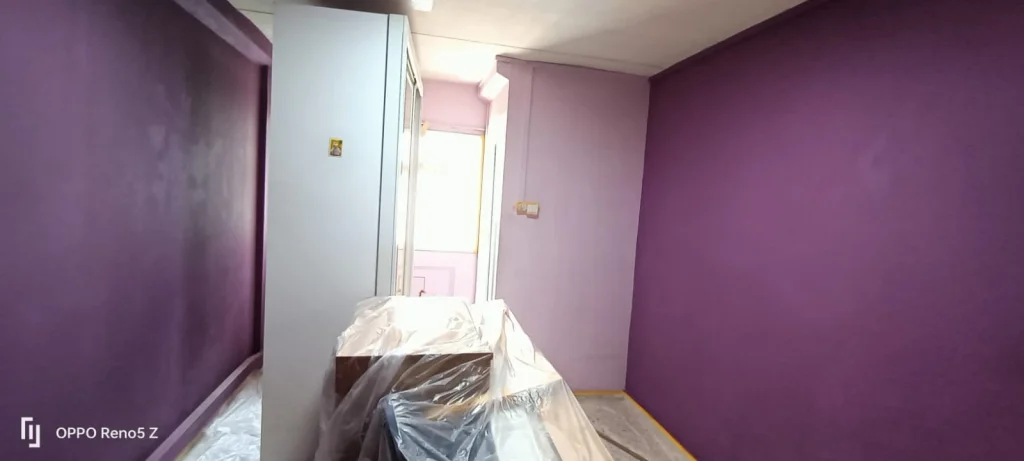
How Often Should You Repaint Your House in Singapore?
The frequency of house repainting in Singapore depends on the surface, its exposure to moisture and sunlight, and its current condition.
Use the following table as a starting point for planning your next painting project.
| Property type | Interior repainting guide | Exterior repainting guide |
| HDB flats | Every 3–5 years | Depends on the surface and exposure |
| Condominiums and apartments | Every 3–5 years | Depends on the building’s maintenance plan |
| Landed houses | Every 3–5 years | Around 5–7 years as an initial planning guide |
| Commercial properties and offices | Every 2–5 years, depending on use | Depends on exposure, access, and maintenance needs |
These intervals are general estimates for planning purposes. They are not guaranteed paint lifespans or mandatory repainting schedules. Inspect your walls regularly and follow the paint manufacturer’s recommendations.
HDB Flats
For many HDB homeowners, repainting interior walls every 3–5 years is a reasonable starting point. However, some flats may need repainting earlier because of stains, frequent cleaning, furniture marks, or moisture problems.
A 3-room HDB flat with lightly used bedrooms may remain presentable for longer than a busy 4-room flat with young children or pets.
Consider repainting your HDB flat when you notice:
- Peeling or flaking paint.
- Stains that cannot be cleaned easily.
- Faded or uneven wall colours.
- Scuff marks in hallways and living areas.
- Cracks, bubbling, or mould patches.
You may also choose to repaint before moving into a resale flat, after renovation, or when preparing the property for rental.
Before applying new paint, check whether the existing surface needs cleaning, sanding, crack repairs, or primer. If damp patches or mould are present, identify and address the underlying cause first.
Condominiums and Apartments
Condominium and apartment interiors can generally follow a similar repainting schedule of around 3–5 years.
Actual paint durability depends on how the home is used. A lightly occupied apartment may need less frequent repainting than a unit rented to multiple occupants or used by a large family.
Pay attention to high-traffic areas, including entrance halls, corridors, kitchens, and children’s bedrooms. These surfaces often develop marks sooner than walls in guest rooms or storage areas.
Exterior walls, balconies, and common areas require a different approach. In condominiums, exterior painting and façade maintenance may fall under the building’s management arrangements. Owners should check with the management office before arranging work on common property or exterior surfaces.
For internal walls, inspect the paint condition before deciding whether a complete repaint or a smaller repair is more appropriate.
Landed Houses
Landed properties may require different repainting schedules for different parts of the building.
Interior walls can often follow a 3–5-year planning interval. Exterior walls may need repainting around every 5–7 years, although exposed surfaces may deteriorate sooner.
Walls facing direct sunlight or heavy rain can experience more fading, cracking, and moisture-related damage. Covered areas may remain in better condition for longer.
Landed homeowners should inspect:
- External walls and exposed façades.
- Window surrounds and areas near roof edges.
- Boundary walls and gates.
- Staircases and high ceilings.
- Wooden doors, frames, and other painted surfaces.
A proper assessment should distinguish ordinary paint wear from structural cracks, water seepage, or damaged plaster. Painting over these issues without suitable repairs may result in the same problems returning.
Commercial Properties and Offices
Commercial properties often need more frequent interior repainting because of daily business activity, customer traffic, furniture movement, and cleaning.
Offices, retail shops, restaurants, and other business premises may use a 2–5-year interval as an initial planning guide. The actual schedule depends on the business, the finish required, and the condition of the surfaces.
For example, an office reception area may develop scuff marks sooner than a private meeting room. A retail shop may need repainting before a new product launch or store renovation, even if the paint is still serviceable.
Commercial property owners and facility managers should inspect walls, ceilings, corridors, and entrance areas regularly. Exterior walls should also be checked for fading, peeling, cracks, and water damage.
When planning commercial painting, consider the work schedule, access requirements, ventilation, and any need to reduce disruption to staff or customers.
How Often Should You Repaint Different Areas of Your House?
Different parts of a home face different conditions. A dry bedroom wall may retain its finish for years, while a kitchen wall exposed to grease or a bathroom ceiling affected by condensation may need attention sooner.
The following guidance can help you plan maintenance by area.
Interior Walls
Interior walls commonly need repainting every 3–5 years, depending on their condition and use.
Living rooms, hallways, and children’s bedrooms often experience more scuffs and marks. Guest rooms and other lightly used spaces may remain presentable for longer.
Washable interior paint can be useful in areas that need regular cleaning. However, always use cleaning methods suitable for the paint finish.
Repainting may be appropriate when the walls look dull, the colour has faded, or stains remain after gentle cleaning. If the paint is peeling or bubbling, investigate the surface condition before applying a new coat.
Ceilings
Ceilings may remain in good condition for several years, but there is no universal repainting interval.
A ceiling in a dry bedroom may need little attention, while a kitchen or bathroom ceiling may develop stains, peeling, or mould sooner.
Look for yellow or brown patches, dark spots, cracking paint, and areas that appear swollen. These signs may indicate condensation, a leak, or another moisture problem.
Do not simply cover a ceiling stain with fresh paint. First, determine whether the source of moisture has been resolved. Allow the surface to dry, repair damaged material where necessary, and use a suitable primer and paint system.
Exterior Walls
Exterior walls face rain, sunlight, airborne dirt, and changing surface temperatures. As a result, exterior paint may deteriorate differently from interior paint.
For a landed property, around 5–7 years can serve as an initial repainting planning guide. Some exposed surfaces may require earlier attention, while sheltered surfaces may last longer.
Inspect exterior walls for:
- Fading or uneven colour.
- Powdery paint residue.
- Peeling or flaking areas.
- Hairline cracks and damaged render.
- Damp patches or signs of water penetration.
Choose paint designed for the specific exterior surface and exposure. Proper cleaning, repairs, and surface preparation are important for adhesion and durability.
Exterior painting may involve working at height or accessing difficult areas. Professional help is advisable when the work requires specialised equipment or safety measures.
Kitchen Walls
Kitchen walls may need repainting sooner than walls in less frequently used rooms because of cooking grease, food splashes, heat, and regular cleaning.
The area around the cooker, sink, and food preparation surfaces deserves particular attention.
Consider repainting when stains become difficult to remove, the finish starts to break down, or the walls look uneven despite cleaning.
A suitable washable paint can make routine maintenance easier. However, the surface must be cleaned and dried properly before repainting. Grease left on the wall can interfere with paint adhesion.
Where cooking produces substantial steam, improve ventilation and use the kitchen exhaust system when appropriate. Persistent dampness should be investigated rather than hidden under new paint.
Bathroom Walls and Ceilings
Bathrooms are exposed to moisture and condensation, making paint conditions especially important.
Bathroom ceilings and painted wall sections may need repainting sooner than dry interior areas. The timing depends on ventilation, water exposure, the paint system, and the condition of the underlying surface.
Watch for mould spots, peeling paint, bubbling, and recurring damp patches. These may indicate excessive condensation, water penetration, or a plumbing issue.
Use paint suitable for the intended bathroom surface and moisture conditions. Keep the room ventilated and address leaks promptly.
Paint is not a substitute for waterproofing. If water repeatedly penetrates the wall or ceiling, the underlying problem must be resolved before repainting.
Doors, Gates and Wooden Surfaces
Painted doors, gates, timber frames, and other wooden surfaces may need maintenance at different intervals from masonry walls.
Exterior gates and exposed wooden surfaces experience rain and sunlight. Interior doors may develop scratches, fingerprints, and chipped edges through everyday use.
Inspect these surfaces for peeling paint, discolouration, cracks, exposed wood, and signs of moisture damage.
Wood may require sanding, filling, a suitable primer, and a compatible topcoat before repainting. Metal gates may need rust removal and a primer designed for the metal surface.
Choose a coating suitable for the material and whether it is used indoors or outdoors. Do not assume that the same paint used on interior walls is suitable for timber or metal.
7 Signs Your House Needs Repainting
Your home may need repainting before its usual maintenance interval. The important step is to distinguish ordinary cosmetic wear from damage that requires repairs.
1. Peeling or Flaking Paint
Peeling paint appears as loose edges, flakes, or sections that separate from the wall.
Possible causes include poor surface preparation, moisture, incompatible paint layers, or weak adhesion.
Small, dry areas of peeling paint may be repaired by removing loose material, preparing the surface, applying a suitable primer if needed, and repainting.
However, if peeling keeps returning or affects a large area, investigate the cause before painting. Moisture problems must be resolved first.
2. Cracked or Bubbling Paint
Cracked paint may appear as fine lines, larger splits, or a network of small cracks. Bubbling paint forms raised areas or blisters on the surface.
These problems can result from moisture, unsuitable application conditions, poor adhesion, or movement in the underlying surface.
Minor paint-film damage may be repairable after removing loose paint and preparing the wall. Larger cracks may require suitable filler or plaster repairs.
If cracks are widening, recurring, or associated with dampness, obtain an appropriate assessment before repainting. New paint will not fix structural movement or a continuing leak.
3. Faded or Discoloured Walls
Faded walls lose their original colour or develop uneven patches. Discolouration may occur because of sunlight, ageing, dirt, smoke, or other contaminants.
If the surface is sound and dry, repainting may be sufficient after suitable cleaning and preparation.
Before repainting, consider whether the colour change affects the entire room or only selected areas. A small touch-up may not blend perfectly with older paint, so repainting a complete wall may provide a more consistent appearance.
4. Mould and Mildew Stains
Mould and mildew may appear as black, grey, greenish, or dark patches, often in damp or poorly ventilated areas.
Possible causes include condensation, persistent humidity, water leaks, or water penetration through the building fabric.
Repainting alone is not a permanent solution. Identify and correct the moisture source, clean or treat the affected area appropriately, and allow the surface to dry before applying a suitable coating.
Large areas of mould, recurring growth, or suspected hidden moisture may require professional assessment. If the wall material has deteriorated, repairs may be needed before repainting.
5. Persistent Wall Stains
Persistent stains may appear as yellow marks, brown patches, grease spots, or water rings.
They can result from leaks, cooking residue, smoke, or other contaminants. Water stains on ceilings may indicate a plumbing or building-related issue.
First, determine the cause of the stain. Clean the surface if appropriate, allow it to dry, and repair the underlying problem.
A suitable stain-blocking primer may help prevent certain stains from showing through new paint. However, it should be used only after the source of the stain has been addressed.
6. Chalking or Powdery Paint
Chalking occurs when a painted surface develops a powdery residue that transfers to your hand when touched.
It may result from weathering, deterioration of the paint film, or the condition of the coating.
Exterior walls exposed to sunlight and rain may be particularly affected.
Before repainting, remove loose powder and dirt using a method suitable for the surface. Allow the wall to dry and assess whether a suitable primer or sealer is required.
Applying new paint over an unstable, powdery surface can lead to poor adhesion and premature failure.
7. Damaged or Worn-Out Wall Surfaces
Damaged walls may have dents, holes, scratches, chipped plaster, uneven patches, or exposed underlying material.
These problems can occur through everyday use, furniture movement, renovation work, or moisture damage.
Minor holes and surface imperfections can often be filled and sanded before repainting. Larger damaged areas may need plaster repairs or other preparation.
If the wall is damp, crumbling, or showing recurring cracks, repair the underlying problem first. A smooth, stable, clean, and dry surface provides a better base for new paint.
How Singapore’s Weather Affects House Painting
Singapore’s climate can affect both the condition of existing paint and the timing of a new painting project.
Heat, humidity, rainfall, and moisture exposure can influence surface preparation, drying, adhesion, and the long-term appearance of paint.
High Humidity and Moisture
High humidity can slow the drying of some paint products and make it harder for surfaces to dry properly after cleaning or repairs.
Painting over a damp wall may lead to poor adhesion, bubbling, or other paint defects. The risk depends on the surface, the paint system, and the conditions during application.
Before painting, check that the surface is clean, stable, and sufficiently dry according to the paint manufacturer’s requirements.
If a wall remains damp, identify the source rather than relying on fresh paint to cover the problem.
Heavy Rain and Exterior Paint Damage
Frequent rainfall exposes exterior walls to moisture and may contribute to paint deterioration, particularly where water collects or penetrates through cracks and joints.
Rain can also disrupt an exterior painting schedule. Fresh paint may be damaged if rain reaches the surface before it has developed sufficient resistance.
Before exterior painting, check the weather forecast and allow adequate time for preparation, application, and drying. The required interval depends on the product and environmental conditions.
Inspect areas around windows, roof edges, joints, and other locations where water may enter. Repair relevant defects before repainting.
Heat and Direct Sunlight
Direct sunlight and heat can contribute to fading and weathering of exterior coatings. Exposed surfaces may deteriorate faster than sheltered areas.
High surface temperatures can also affect how paint applies and dries. Working in unsuitable conditions may affect the finish.
Choose a coating intended for the surface and exposure, and follow the manufacturer’s application instructions. Painting schedules should account for surface temperature and weather, not simply the time of day.
Mould Growth in Damp Areas
Mould can develop where moisture persists, especially in poorly ventilated rooms, bathrooms, kitchens, and areas affected by condensation.
Mould may stain paint and damage the appearance of the surface. In some cases, it may also indicate a leak or a wider moisture problem.
Improve ventilation where practical, address leaks, and reduce persistent condensation. Singapore’s National Environment Agency provides guidance on improving ventilation and indoor air quality, including practical measures for homes.
Mould-resistant paint may help in suitable situations, but it cannot replace moisture control or proper repairs.
What Factors Affect How Often You Need to Repaint?
Two homes painted at the same time may need repainting at different times. The following factors help explain why.
Quality of Paint and Primer
Different paints are designed for different surfaces and conditions. Interior wall paint, exterior masonry paint, wood coatings, and metal coatings are not interchangeable in every situation.
A suitable paint and primer system can help the coating adhere properly and perform as intended.
Check the product specifications for surface suitability, coverage, application conditions, and recoating time. A higher price alone does not guarantee that a product is suitable for your wall.
Surface Preparation Before Painting
Surface preparation is one of the key factors affecting paint performance.
Dust, grease, loose paint, mould, and unstable surfaces can interfere with adhesion. Cracks, holes, and damaged plaster may also remain visible if they are not repaired properly.
Preparation may involve cleaning, scraping, sanding, filling, priming, and allowing the wall to dry.
The exact steps depend on the surface condition and the paint system. Proper preparation helps reduce avoidable defects, but it cannot compensate for unresolved moisture or structural problems.
Interior vs Exterior Exposure
Interior and exterior surfaces face different conditions.
Interior walls are more likely to experience scuffs, stains, furniture marks, and repeated cleaning. Exterior walls face sunlight, rain, wind-driven moisture, and environmental dirt.
As a result, the repainting schedule for an interior bedroom may differ from that of an exposed exterior wall.
Inspect each area according to its condition instead of assuming the whole property needs repainting at the same time.
Ventilation and Moisture Levels
Poor ventilation and persistent moisture can contribute to condensation and mould growth.
Bathrooms, kitchens, laundry areas, and enclosed rooms deserve particular attention. Water leaks, damp building materials, and condensation can also cause paint to peel or blister.
Use suitable exhaust fans where available, improve air circulation where practical, and fix leaks promptly.
If a wall remains damp despite better ventilation, investigate whether the problem comes from plumbing, water penetration, or another building issue.
Household Activities, Children and Pets
Daily activities affect how quickly interior paint becomes marked or damaged.
Children may leave marks on bedroom walls. Pets may scratch lower wall sections or door frames. Cooking and frequent cleaning can also affect the finish.
For busy areas, consider a suitable washable paint that can tolerate routine cleaning. Use gentle cleaning methods recommended for the product.
You may need to repaint selected walls earlier than the rest of the home, especially when stains or scratches cannot be removed without damaging the finish.
Previous Painting Workmanship
The quality of previous painting work can influence how well the finish holds up.
If the wall was not cleaned properly, loose paint was left in place, or unsuitable products were used, defects may appear earlier. Insufficient drying between coats can also affect the result.
When arranging repainting, ask what preparation is included, whether primer is needed, and how many coats will be applied.
An itemised scope makes it easier to understand the work being proposed and compare quotations fairly.
How to Make Your House Paint Last Longer
You cannot prevent all paint wear, but regular maintenance and suitable painting practices can help preserve your walls.
Choose Suitable Paint for Singapore’s Climate
Select paint based on the surface, exposure, and intended use.
Interior living areas, humid bathrooms, exterior masonry, wooden doors, and metal gates may require different products.
Check the manufacturer’s guidance on moisture exposure, cleaning, surface compatibility, and application conditions. Avoid choosing paint based on colour or price alone.
Prepare Walls Properly Before Painting
Before applying new paint, remove dirt, grease, loose paint, and other contaminants that could affect adhesion.
Repair suitable cracks and holes, smooth rough areas, and use a compatible primer where required. Ensure the surface is sufficiently dry before painting.
Do not skip preparation simply to finish the project faster. The right preparation depends on the existing coating and the condition of the wall.
Repair Cracks and Moisture Problems Early
Inspect walls for cracks, peeling paint, water stains, and bubbling. Address small defects before they spread where possible.
If you find persistent dampness, identify whether it is caused by condensation, a leak, or water penetration. Repair the source before repainting.
For significant cracks, recurring water stains, or widespread paint failure, obtain an appropriate assessment before starting cosmetic work.
Clean Walls Without Damaging the Paint
Regular cleaning can help keep walls presentable between repainting projects.
Remove dust and light marks using a soft cloth or sponge and a cleaning method suitable for the paint finish. Test the method in a small, inconspicuous area first.
Avoid excessive scrubbing or harsh cleaning products that could remove colour or damage the coating.
If a stain does not come off easily, do not keep scrubbing until the paint wears away. Determine whether a suitable repair or repainting is needed.
Improve Ventilation in Damp Areas
Good ventilation can help reduce persistent moisture in kitchens, bathrooms, and laundry areas.
Use exhaust fans where available and allow moist air to escape when conditions permit. Check that ventilation equipment is working properly.
If condensation repeatedly forms on walls or ceilings, investigate the conditions causing it. Painting with a moisture-resistant or mould-resistant product may be part of the solution, but moisture control remains important.
Arrange Regular Wall Inspections
Inspect painted surfaces periodically, especially after heavy rain, plumbing problems, renovation work, or other events that may affect the walls.
Look for changes in colour, cracks, peeling, stains, and mould. Check exposed exterior surfaces and moisture-prone rooms more carefully.
Keep a record of when the property was last painted and which products were used, if this information is available. It can help you plan future maintenance and understand whether a defect is new or recurring.
How Much Does It Cost to Repaint a House in Singapore?
The cost of repainting a house in Singapore depends on the size of the property, the amount of surface to be painted, the condition of the walls, and the work included in the quotation.
There is no single price that applies to every home. A small repainting job involving sound walls may cost less than a project requiring extensive repairs, ceiling painting, or difficult access.
For an accurate estimate, provide the contractor with details about your property and the areas you want to repaint. Where needed, arrange an assessment of the surfaces before confirming the work.
Factors That Affect House Painting Costs
Several factors can affect your final painting quotation:
- Property size: Larger homes generally have more wall and ceiling area to cover.
- Wall condition: Peeling paint, cracks, holes, stains, and damaged plaster may require additional preparation or repairs.
- Paint type: Different products have different costs and application requirements.
- Number of coats: The number of coats depends on the paint system, surface condition, and colour change.
- Ceiling height: High ceilings may require additional equipment or access arrangements.
- Furniture protection: Moving or covering furniture and protecting floors may affect the work involved.
- Access requirements: Stairwells, exterior walls, and difficult-to-reach areas may require additional arrangements.
- Additional surfaces: Doors, gates, frames, and other features add to the scope.
- Project preparation: Cleaning, scraping, sanding, priming, and repairs may affect the overall price.
Ask whether the quotation includes labour, paint, primer, surface preparation, repairs, furniture protection, and cleaning after the work. This helps you understand what is included before comparing contractors.
HDB Painting Costs
The cost of repainting an HDB flat depends on its size and layout, the condition of its walls, and the scope of work.
A 3-room HDB flat may require a different budget from a 4-room or 5-room flat. Even two flats of the same type may have different painting costs if one needs more repairs or includes additional surfaces.
Before requesting a quotation, decide whether you want to repaint the entire flat or only selected rooms. Also consider whether the ceilings, doors, and other painted surfaces need attention.
For a 4-room HDB flat, provide the contractor with the flat type, the rooms to be painted, the ceiling requirements, and photographs of any visible wall damage. These details can help the contractor understand the scope, although an accurate price may require further assessment.
Condo and Landed House Painting Costs
Condominium and landed property painting costs vary according to the size and layout of the property, the number of surfaces involved, and the complexity of the work.
A condominium repaint may involve interior walls and ceilings, while a landed house may also require exterior walls, staircases, boundary walls, gates, or high-level surfaces.
Access arrangements can be particularly important for exterior work and areas at height. For condominiums, check whether management approval or other arrangements are required before work begins.
Ask for a clear breakdown of the areas to be painted, the preparation required, and any access-related costs.
Interior vs Exterior Painting Costs
Interior and exterior painting projects can differ in preparation, materials, access, and working conditions.
Interior painting commonly involves protecting furniture and floors, preparing walls, and painting rooms or ceilings. Exterior work may require weather planning, surface cleaning, crack repairs, and safe access to exposed surfaces.
Exterior coatings must be suitable for the substrate and weather exposure. Some projects also involve repairing damaged plaster or addressing water penetration before painting can begin.
When comparing quotations, check that each contractor is pricing the same surfaces and a comparable scope of preparation and painting.
How to Get an Accurate Painting Quotation
To obtain a useful quotation, prepare the following information:
- Property details: State whether the property is an HDB flat, condominium, landed house, or commercial unit.
- Painting scope: Identify the rooms, ceilings, exterior walls, doors, or other surfaces to be included.
- Wall condition: Describe peeling paint, cracks, mould, water stains, or other visible defects.
- Paint preferences: Share your preferred colours or any requirements for the paint finish.
- Photographs: Send clear photos of the affected areas if the contractor accepts them.
- Access and timing: Explain any access restrictions and your preferred project schedule.
Request an itemised quotation that states the work scope, surface preparation, primer, number of coats, paint brand or type, repairs, and exclusions.
Clarify how additional repairs will be priced if previously hidden damage is discovered. A clear quotation helps you compare the proposed work rather than relying on the headline price alone.
Should You Repaint Your House Yourself or Hire a Professional?
DIY painting can be suitable for small, manageable projects. Professional painting may be more appropriate when the work involves extensive preparation, difficult access, or widespread paint damage.
The right choice depends on your budget, available time, skills, and the condition of the surfaces.
Benefits of DIY House Painting
Painting your own home can reduce labour expenses and give you direct control over the schedule and colour choices.
DIY painting may be practical for a small bedroom, a minor touch-up, or a limited area with sound walls.
However, you will need to obtain the right tools and materials, prepare the surfaces, protect furniture, and allow adequate drying time. You must also follow product safety instructions and use suitable equipment.
DIY work may take longer than expected, especially if you have limited painting experience. High ceilings, exterior walls, extensive repairs, and recurring moisture problems may be unsuitable for a simple DIY project.
Advantages of Hiring a Professional Painter
A professional painter can help assess the painting scope, prepare the surfaces, select suitable products, and carry out the work.
Professional assistance may be useful when walls have peeling paint, multiple layers of old coating, cracks, persistent stains, or other preparation needs.
A clear work scope can also help you understand which surfaces will be painted and which repairs are included.
Before hiring a contractor, review the quotation, confirm the products and preparation methods, and clarify the project schedule. Ask how the contractor will handle any underlying defects discovered during preparation.
When Professional Painting Is the Better Choice
Professional painting is worth considering when:
- You need to repaint an entire HDB flat, condominium, or landed house.
- Large areas of paint are peeling or bubbling.
- Walls require substantial filling, sanding, or surface preparation.
- Ceilings are high or surfaces are difficult to access safely.
- Exterior painting requires special access arrangements.
- You want a coordinated painting schedule for a home renovation or commercial property.
Remember that painting and building repairs are not the same thing. A painting contractor may identify visible issues, but suspected leaks, structural cracks, or serious moisture problems may require a suitable specialist.
What Is the Best Time to Repaint a House in Singapore?
The best time to repaint a house in Singapore is when the surfaces can be prepared properly and the weather and indoor conditions are suitable for the selected paint.
There is no single month that guarantees the best results. Rainfall, humidity, ventilation, surface moisture, and the manufacturer’s instructions all matter.
Can You Paint During the Rainy Season?
Yes, some interior painting work can be carried out during the rainy season if the indoor environment and surfaces are suitable.
However, heavy rain and high humidity may affect drying and scheduling. Exterior painting requires particular care because rain can damage freshly applied paint before it has dried sufficiently.
Before starting, confirm that the walls are dry and that the forecast allows adequate time for exterior preparation and application.
Do not paint a damp wall simply because the rain has stopped. Follow the manufacturer’s requirements for surface moisture, temperature, ventilation, and drying time.
How Long Does House Painting Take?
The time required to repaint a house depends on the property size, the number of surfaces, the condition of the walls, and the preparation involved.
A small room with sound walls may take substantially less time than an entire HDB flat or landed property that needs extensive repairs.
The schedule may include moving and protecting furniture, cleaning, scraping, filling, sanding, priming, applying paint, and allowing each coat to dry.
Ask the contractor for an estimated schedule that accounts for preparation and drying, not just the time needed to apply the paint.
Unexpected repairs, poor drying conditions, and difficult access may extend the project.
How Long Should You Wait Before Using a Newly Painted Room?
You should follow the paint manufacturer’s instructions before using a newly painted room, moving furniture back, or cleaning the walls.
Three different stages matter:
- Touch-dry time: The time before the surface feels dry to the touch.
- Recoat time: The minimum recommended waiting period before applying another coat.
- Full curing time: The longer period during which the coating develops its intended final properties.
These stages are not the same. A wall may feel dry before the paint has fully cured.
Drying and curing times vary by product, temperature, humidity, ventilation, film thickness, and the number of coats. Keep the room adequately ventilated where practical, and avoid placing furniture against freshly painted walls until the coating can tolerate contact.
Frequently Asked Questions About House Repainting in Singapore
How many years does house paint last in Singapore?
Interior house paint may remain in good condition for around 3–5 years, while exterior paint may last longer or require earlier attention depending on exposure. Actual durability depends on the paint system, surface preparation, moisture, sunlight, and maintenance.
How often should HDB flats be repainted?
Many HDB homeowners can use 3–5 years as a starting point for interior repainting. However, you should repaint sooner if the walls have significant stains, peeling paint, fading, or other visible damage.
How often should exterior house walls be repainted?
For landed properties, around 5–7 years can serve as an initial planning guide for exterior repainting. Exposed walls may need attention sooner, while sheltered surfaces may remain in good condition for longer.
Is it necessary to repaint a house every 5 years?
No, repainting every five years is not a fixed requirement for every home. Inspect your walls and repaint when the finish deteriorates, the colour needs refreshing, or maintenance is necessary.
Can I repaint my house without removing the old paint?
Yes, you can often repaint over existing paint if the old coating is firmly attached and the surface is clean, stable, and suitable for the new paint system. Loose or peeling paint must be removed, and damaged areas should be repaired before repainting.
Does repainting cover mould and damp patches permanently?
No, repainting alone does not permanently resolve mould or damp patches. You must identify and address the source of moisture, clean or treat the affected surface appropriately, and allow it to dry before applying suitable paint.
How much does it cost to repaint a 4-room HDB flat?
The cost of repainting a 4-room HDB flat depends on the areas to be painted, wall condition, paint selection, number of coats, and preparation or repair work required. Request an itemised quotation based on your flat and the exact scope of work.
How long does it take to repaint an entire house?
Repainting an entire house may take several days or longer, depending on its size, surface condition, number of coats, access, and drying conditions. Ask for a project schedule that includes preparation, repairs, painting, and adequate drying time.
Conclusion: When Should You Repaint Your House?
For many Singapore homeowners, repainting interior walls every 3–5 years is a useful starting point. Landed property owners can use around 5–7 years as an initial planning guide for exterior walls, while commercial properties may need more frequent attention depending on their use.
These intervals are not fixed rules. Your home’s condition, paint quality, exposure to rain and sunlight, ventilation, and previous painting workmanship all affect when repainting becomes necessary.
Inspect your walls regularly for peeling paint, bubbling, cracks, mould, fading, and persistent stains. Deal with leaks and moisture problems before repainting, and prepare surfaces properly to help the new coating perform as intended.
If you are unsure whether your home needs a complete repaint or only targeted repairs, getting professional advice can help you understand the work involved.
Redefine Painting Pte Ltd can be contacted to discuss your painting needs and request a quotation. A professional assessment can help you understand the condition of your walls and the preparation needed before repainting.
Whether you are maintaining an HDB flat, refreshing a condominium, or planning painting work for a landed property, make the decision based on the actual condition of your surfaces rather than the calendar alone.